

If you want to learn how to travel on a budget in 2026, exploring the world doesn’t have to cost a fortune. The global travel landscape has evolved dramatically—smart booking algorithms, digital banking apps, and flexible accommodation platforms have made exploring new countries accessible to everyone without breaking the bank.
Yet, one major misconception stops millions of aspiring travelers from packing their bags:
“I can’t afford to travel until I save tens of thousands of dollars.”
The truth? Traveling on a budget doesn’t mean sleeping in cramped, dirty rooms, surviving solely on instant noodles, or skipping out on the best local experiences. Budget travel is simply about maximizing the value of every dollar you spend.
By adopting a strategic approach to flights, accommodation, local transportation, and daily spending, you can travel further, stay longer, and experience more—all while keeping your bank account intact.
Here are 15 field-tested money-saving hacks to help you travel the world on a budget in 2026 without sacrificing quality or comfort.
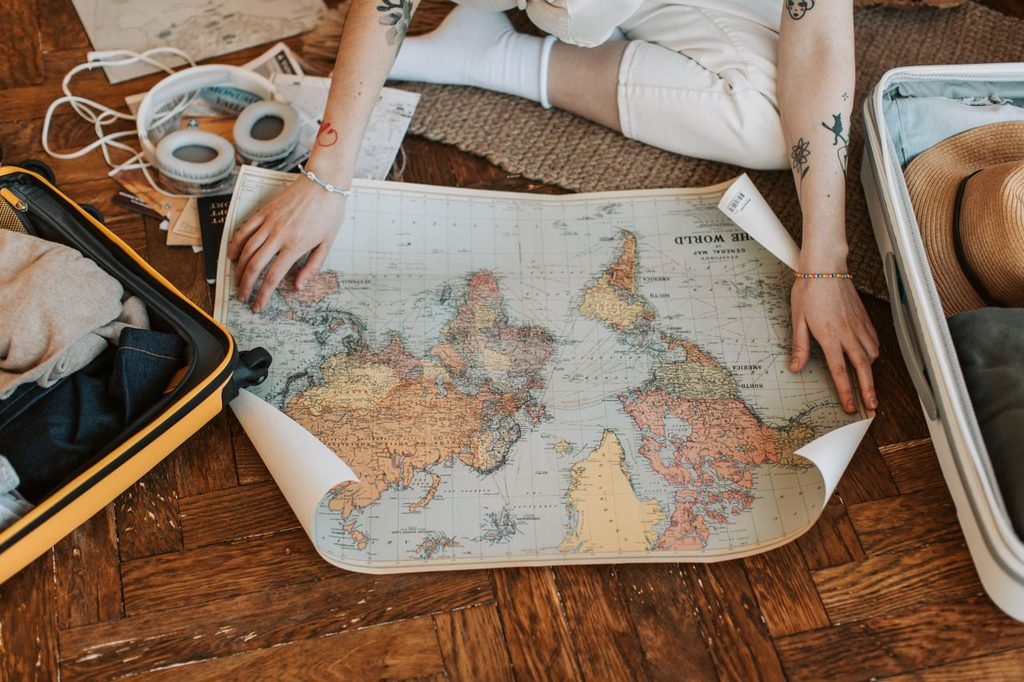
1. Master the 3-Step Flight Booking System for How to Travel on a Budget
Flight costs often consume the largest portion of any travel budget. To secure rock-bottom airfares in 2026, avoid booking impulsively and follow a structured search method:
- Use Multi-Metasearch Engines: Start your research on platforms like Google Flights, Skyscanner, or Kayak. Always clear your cookies or use private browsing modes to ensure prices aren’t artificially inflated based on your search history.
- Leverage Price Alerts: Set up automated price tracking at least 2 to 3 months before your intended departure date. When airlines drop prices unexpectedly, buy immediately.
- Embrace Route Flexibility: Use the “Explore Everywhere” or “Open Destination” feature. If your dates are fixed but your destination is open, you can easily save 50% or more by choosing a location with active airline fare wars.
2. Fly on Off-Peak Days and “Shoulder Seasons”
Timing is everything in budget travel. Flying on Tuesdays, Wednesdays, or Saturdays typically offers significantly cheaper fares compared to high-demand Friday or Sunday flights.
Furthermore, aim to visit destinations during their shoulder seasons—the sweet spot between peak tourist season and the low season (e.g., April-May or September-October in Southern Europe). During these months, weather conditions remain ideal, crowds disappear, and prices for accommodation, activities, and flights drop by up to 40%.
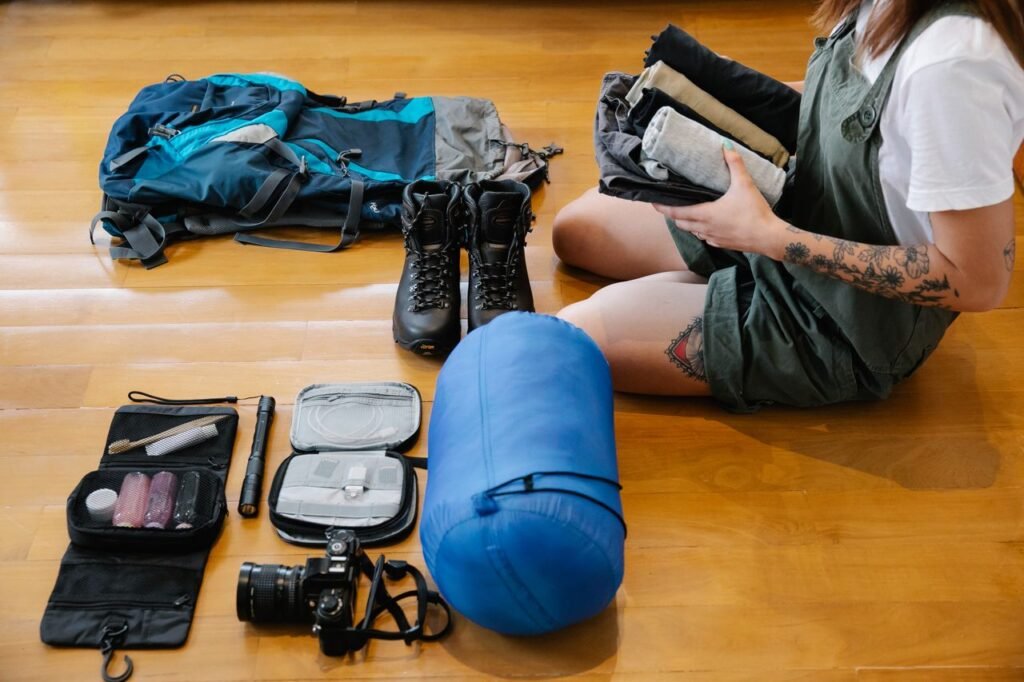
3. Ditch Heavy Luggage and Fly Carry-On Only
In 2026, budget airlines charge aggressive fees for checked bags, often doubling the base price of your ticket.
Traveling light with a single 40L backpack or carry-on suitcase delivers immediate benefits:
- You eliminate checked bag fees on every single flight leg.
- You save time at airports by bypassing check-in queues and baggage carousels.
- You gain mobility, making it easy to use public buses or walk to your hotel instead of paying for expensive taxis.
4. Embrace Alternative Accommodations Beyond Traditional Hotels
If you are figuring out how to travel on a budget, hotels are no longer your only option. Depending on your travel style, exploring alternative accommodation models can drastically lower your night-to-night costs:
- Boutique Hostels & Private Rooms: Modern hostels offer pristine private rooms with en-suite bathrooms, giving you hotel-level comfort alongside community vibes and shared kitchens.
- Vacation Rentals & Co-living Spaces: Renting an apartment via platforms like Airbnb or local equivalents is often cheaper for stays longer than 4 nights, especially when you factor in laundry facilities and kitchen access.
- House-Sitting and Home Exchanges: Services like TrustedHousesitters allow you to stay in beautiful homes around the world for free in exchange for caring for pets or gardens while owners are away.
5. Cook One Meal a Day and Master Local Grocery Markets
Dining out three times a day is one of the fastest ways to drain your travel fund. You don’t need to skip authentic culinary experiences—just balance them intelligently.
Make it a rule to cook one simple meal per day (usually breakfast or a quick dinner) using fresh ingredients bought from local grocery stores or traditional markets. Preparing your own morning coffee, fresh fruit bowl, or sandwich can easily save you $15 to $30 daily.
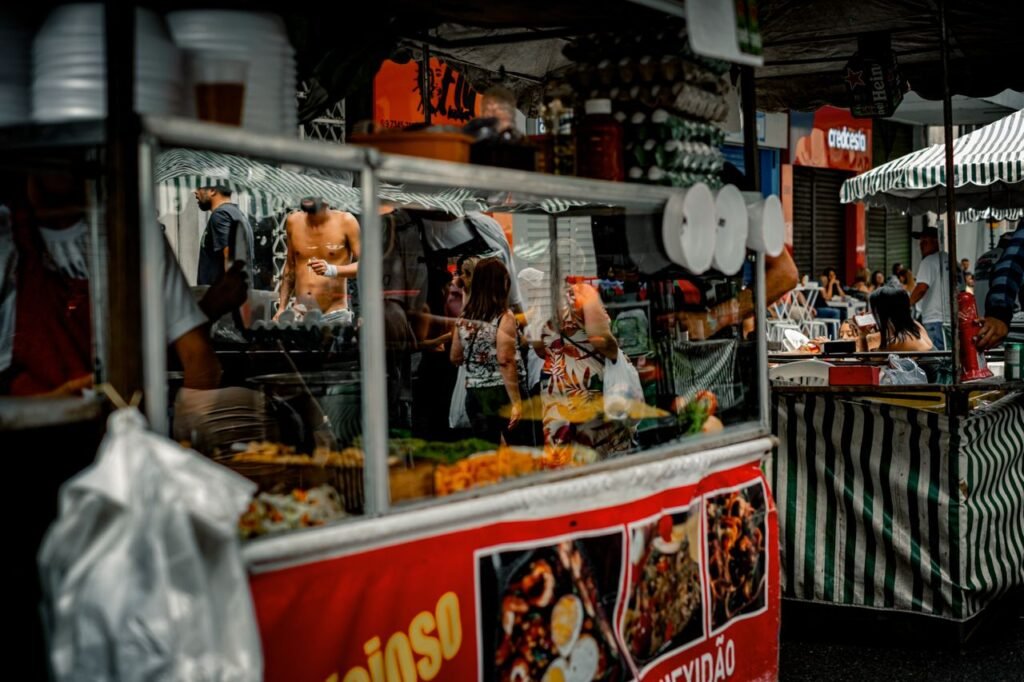
6. Eat Like a Local: Seek Out Street Food and Lunch Specials
When you do eat out, skip restaurants located directly in front of major tourist landmarks; they routinely charge inflated prices for average-quality food.
- Follow the Locals: Walk two or three blocks away from major squares or main avenues. Look for small family-run eateries, bustling night markets, or food stalls with long lines of local residents—this guarantees both fresh food and fair prices.
- Take Advantage of “Set Lunch” Menus: In many parts of Europe and Latin America, restaurants offer fixed-price lunch menus (Menu del Día) that include a starter, main course, drink, and dessert for a fraction of the evening menu price.
7. Leverage No-Fee International Banking & Multi-Currency Cards
Traditional banks often charge 3% foreign transaction fees on every card swipe, plus steep international ATM withdrawal charges. Over a month-long trip, these hidden fees can easily exceed $150.
Switch to digital multi-currency accounts (such as Wise, Revolut, or Charles Schwab) that offer:
- Zero foreign transaction fees on daily card purchases.
- Interbank exchange rates without hidden markups.
- Free monthly international ATM cash withdrawals.
8. Master Local Public Transit (And Walk More)
Taxis and private rideshare services accumulate massive expenses quickly. Before arriving at your destination, research the public transportation system:
- Airport Transfers: Almost every major airport is connected to the city center by a train or express bus that costs a fraction of a taxi fare.
- Day Passes & Transit Cards: Purchase multi-day transit passes or rechargeable travel cards rather than single-use tickets to unlock unlimited subway, tram, and bus rides at discounted rates.
- Walk Whenever Possible: Walking is not only completely free, but it is also the absolute best way to stumble upon hidden alleys, quiet parks, and local cafes you would completely miss from a car window.
9. Travel Slow: The Long-Stay Discount Rule
One of the most effective strategies when learning how to travel on a budget is adopting a slow travel mindset. Fast-paced travel—changing cities every 2 days—is inherently expensive due to constant transit costs and short-term booking rates.
Adopting a slow travel mindset reduces daily costs substantially. Booking accommodations by the week or month on vacation rental platforms routinely unlocks automatic discounts ranging from 20% to 50%. Staying longer in one place also allows you to settle into a daily routine, discover affordable local shops, and lower your overall stress.

10. Stay Connected with Local eSIMs
Relying on your home carrier’s international roaming plan can lead to massive bill shocks upon returning home.
Instead, install an eSIM (such as Airalo, Holafly, or Maya Mobile) before landing. Digital eSIMs allow you to instantly connect to local mobile networks at local data rates without swapping physical SIM cards or paying exorbitant roaming fees.
11. Capitalize on Free Attractions and Cultural Days
Sightseeing does not have to cost a fortune. Every major city offers an abundance of high-quality free activities:
- Free Walking Tours: Search for local “Free Walking Tours” upon arrival. Led by knowledgeable local guides, these tours provide fantastic historical context and insider tips (just remember to leave a reasonable tip for your guide).
- Free Museum Days: Many world-class museums offer free admission on specific days of the week or month (e.g., the first Sunday or Thursday afternoon of the month). Plan your itinerary around these schedules.
- Self-Guided Nature & Architecture Walks: National parks, public botanical gardens, historical streets, and waterfront promenades cost nothing to explore and often yield the best memories.
12. Use Travel Reward Cards and Loyalty Points Smartly
If you plan your expenses in advance, credit card rewards can eliminate hotel and flight costs altogether.
By signing up for travel rewards cards with generous welcome bonuses and utilizing them for your everyday bills before your trip, you can accumulate points that convert directly into free flights, hotel stays, or room upgrades. Always ensure you pay off the card balance in full every month to avoid interest charges that offset your savings.
13. Protect Yourself with Affordable Travel Insurance
Skipping travel insurance might seem like an easy way to save $50, but it is a dangerous financial gamble. A single missed flight connection, lost bag, or minor medical emergency overseas can cost thousands of dollars out-of-pocket.
Comprehensive digital nomad and traveler insurance providers (like SafetyWing or World Nomads) offer flexible, low-cost coverage that protects your health and belongings without breaking your budget.
14. Travel in Pairs or Groups to Split Fixed Costs
Traveling solo has its perks, but traveling with a partner or a small group of friends dramatically reduces individual expenses through shared costs:
- Accommodation: A private double room or a two-bedroom rental apartment is almost always significantly cheaper per person than two individual single rooms.
- Transportation & Car Rentals: Costs for rental cars, fuel, road tolls, and private airport transfers are divided equally, making private transport options far more affordable.
- Food & Groceries: Buying ingredients in bulk at local markets and cooking together slashes daily food expenses compared to individual meal prep.
15. Track Your Daily Expenses in Real Time
Unplanned micro-expenses—a $4 coffee here, a quick taxi ride there—are the silent killers of any travel budget. Without tracking, you can easily overspend by $300 to $500 over a two-week journey.
Use dedicated travel budgeting apps (such as TravelSpend, Spendee, or Splitwise) to log every purchase in real time. Setting a realistic daily spending limit and monitoring your numbers daily ensures you stay on budget and avoid end-of-trip financial anxiety.

Final Thought: Smart Spending Unlocks Unlimited Exploration
Understanding how to travel on a budget isn’t about compromise—it’s about intentionality. When you eliminate unnecessary expenses like overpriced airport taxis, hotel minibar drinks, and inflated tourist-trap dining, you free up the capital required to travel longer and experience richer cultural connections.
By applying these 15 proven strategies, you will quickly discover that the world is far more accessible than you thought. Plan smart, pack light, and let curiosity dictate your next adventure.