
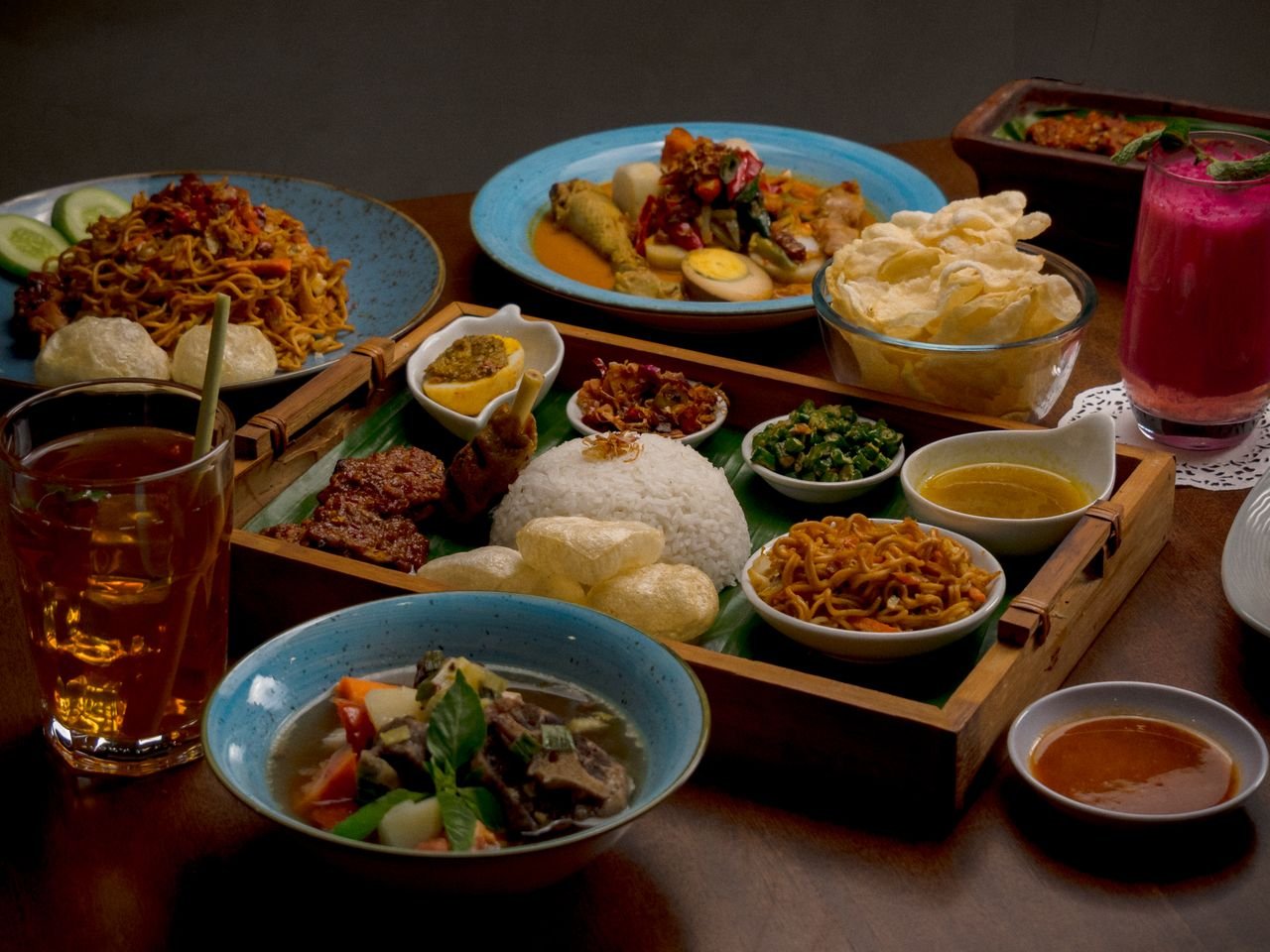
Mastering this food and culture travel guide will completely transform the way you experience the world. Food is far more than simple nourishment; it serves as a living mirror of a community’s history, geographical identity, and social traditions. When you step away from tourist-centric restaurants and embrace authentic regional food culture, every meal becomes an unforgettable cultural memory.
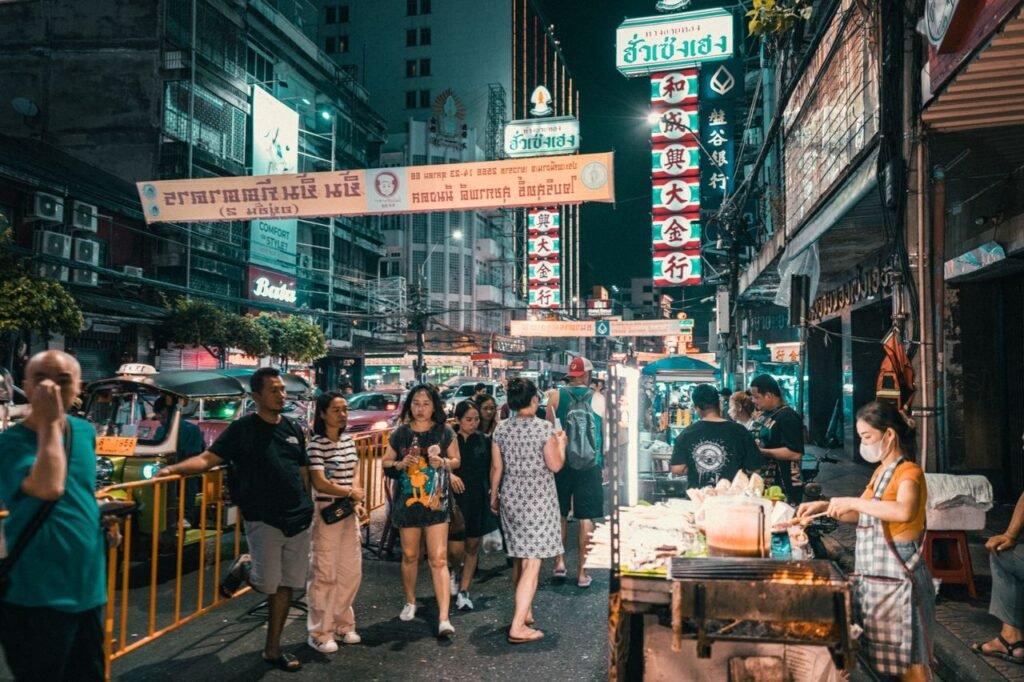
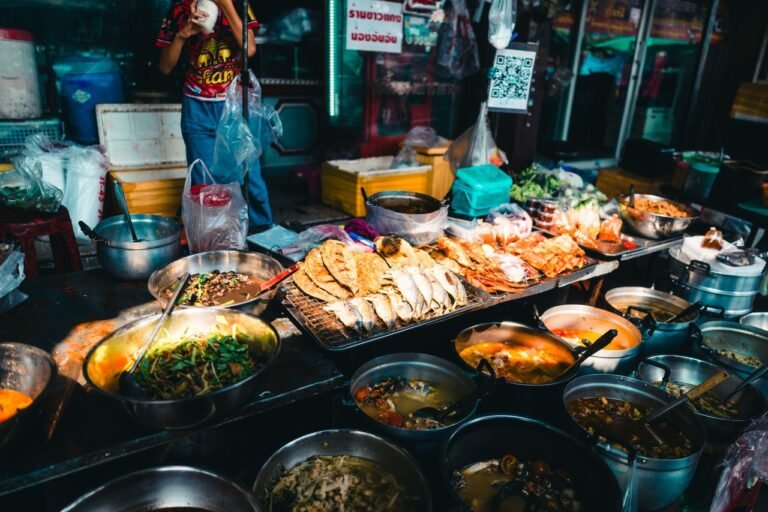
Whether you are sampling sizzling skewers at a Bangkok night market, sharing family-style pasta in a Tuscan village, or discovering spicy tagines in Morocco, food opens doors to deep human connections.
This comprehensive food and culture travel guide reveals how to find hidden culinary hotspots, navigate local dining etiquette, participate in authentic cooking traditions, and explore world flavors safely and confidently.
Why Culinary Tourism Shapes Unforgettable Adventures
Food acts as an universal universal language that bridges cultural divides faster than words ever can. When you prioritize local food experiences, you actively support small family-owned businesses, local farmers, and street food artisans who preserve generations of culinary heritage.
Exploring regional culinary traditions also teaches you about a destination’s agricultural history. For example, understanding why olive oil dominates Mediterranean kitchens while coconut milk defines Southeast Asian curries provides fascinating context into climate, trade routes, and historic migrations.
Furthermore, pairing culinary journeys with budget management—such as applying smart savings strategies from our budget travel tips for food lovers—ensures you get exceptional authentic meals at a fraction of tourist prices.
How to Find Authentic Local Food Spot Away from Tourist Traps
One of the biggest challenges for travelers is avoiding overpriced, low-quality restaurants situated near major tourist landmarks. Finding authentic regional cooking requires a few proven strategies:
- Follow the Local Crowds: If a small eatery or market stall is packed with local families during peak dining hours, the food is almost guaranteed to be fresh, authentic, and delicious.
- Venture Beyond Main Squares: Walk three to four blocks away from famous monuments, plazas, or train stations. Quiet side streets frequently hide the best family-run trattorias, tapas bars, or noodle shops.
- Ask Local Experts: Ask hotel staff, hostel hosts, or local artisans where they go for a Sunday lunch rather than asking for general restaurant recommendations.
- Research Heritage Food Portals: Consult dedicated global culinary archives like the official UNESCO Intangible Cultural Heritage list to learn about protected regional food traditions and traditional culinary practices.
Navigating Regional Dining Etiquette and Cultural Traditions
Table manners and mealtime customs vary dramatically across global cultures. Respecting local culinary etiquette shows appreciation for your host country and ensures a warm welcome wherever you dine.
- Tipping Customs: Tipping expectations range from obligatory in North America to unnecessary or even considered offensive in countries like Japan.
- Dining Timings: In countries like Spain or Argentina, dinner rarely starts before 9:00 PM, whereas northern European countries often dine between 6:00 PM and 7:00 PM.
- Hand Usage and Utensils: In many Middle Eastern, South Asian, and North African cultures, eating with the right hand is customary, while specific utensil rules apply when handling chopsticks across East Asia.
Top World Destinations for Food and Culture Enthusiasts
If you are building your ultimate culinary bucket list, several world regions stand out for their legendary flavors and deep food heritage:
- Thailand & Vietnam: World leaders in vibrant street food markets, herbal broths, fresh seafood, and perfect sweet-savory balances.
- Italy & Greece: Famous for sun-ripened produce, rich olive oils, hand-made pasta, and long, relaxed family lunches.
- Mexico: Recognized globally for complex mole sauces, regional corn varieties, and coastal ceviches celebrating ancient Mayan and Aztec roots.
- Japan: Renowned for extreme culinary craftsmanship, seasonal purity, precision sushi, and regional ramen variations.
To integrate these culinary hubs into your overall travel planning, check out our guide on choosing top world travel destinations.
Taking Cooking Classes and Immersive Food Tours
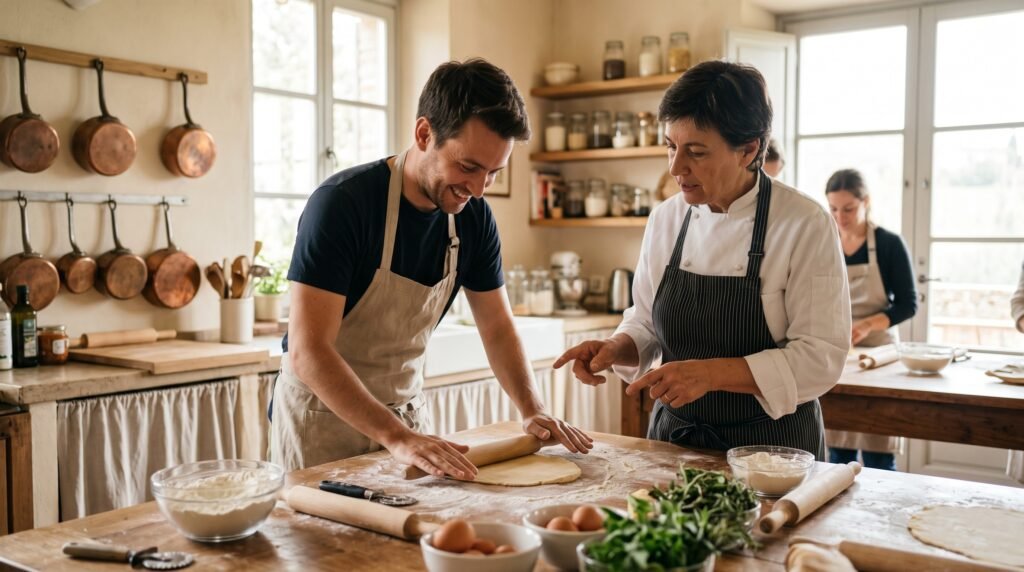
Taking a local cooking class is one of the most rewarding investments you can make on any trip. Cooking workshops usually begin with a guided walk through a local neighborhood market to select fresh seasonal ingredients before learning time-tested family recipes.
Not only do you gain hands-on cooking techniques, but you also return home with valuable recipes to recreate your favorite travel memories for friends and family.
For long-term travelers and remote workers who want to sample local cuisine while working abroad, combining food tours with the flexible lifestyle outlined in our work and travel remote guide is a great way to build local community.
Food Safety Guidelines for Stress-Free Street Food Exploration
Sample street food safely without getting an upset stomach by sticking to simple hygiene guidelines:
- Choose High-Turnover Stalls: High customer volume means ingredients are constantly replenished and cooked fresh over high heat.
- Watch Food Preparation: Ensure meat, seafood, and vegetables are cooked hot to order directly in front of you rather than sitting at room temperature.
- Drink Bottled or Filtered Water: Stick to sealed bottled water or use reliable UV water purifiers in regions where tap water quality is uncertain.
- Peel Fruit Yourself: Eat fresh fruits that feature thick, peelable skins (like bananas, mangoes, or oranges) to avoid unwashed surface water.
Final Thought: Savoring Every Journey
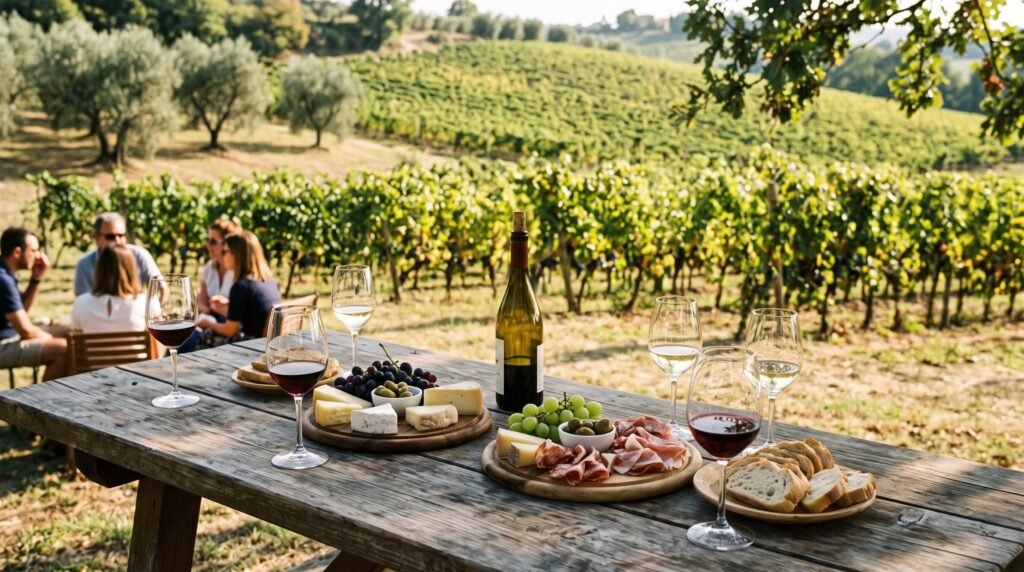
Following this food and culture travel guide encourages you to slow down, engage all five senses, and appreciate the human stories behind every plate.
Travel is ultimately about stepping outside your comfort zone, and there is no better place to start than by tasting something completely new. Be adventurous, respect local customs, and let your palate guide you toward deeper cultural connections across the world.



[…] using safety accessories while dining or exploring regional markets, reference our food & culture travel guide for seamless cultural […]
[…] joining local culinary tours, check out our food & culture travel guide to learn how to sample regional dishes […]
[…] To learn how to sample regional culinary specialties safely and economically across these incredible destinations, check out our dedicated food & culture travel guide. […]