
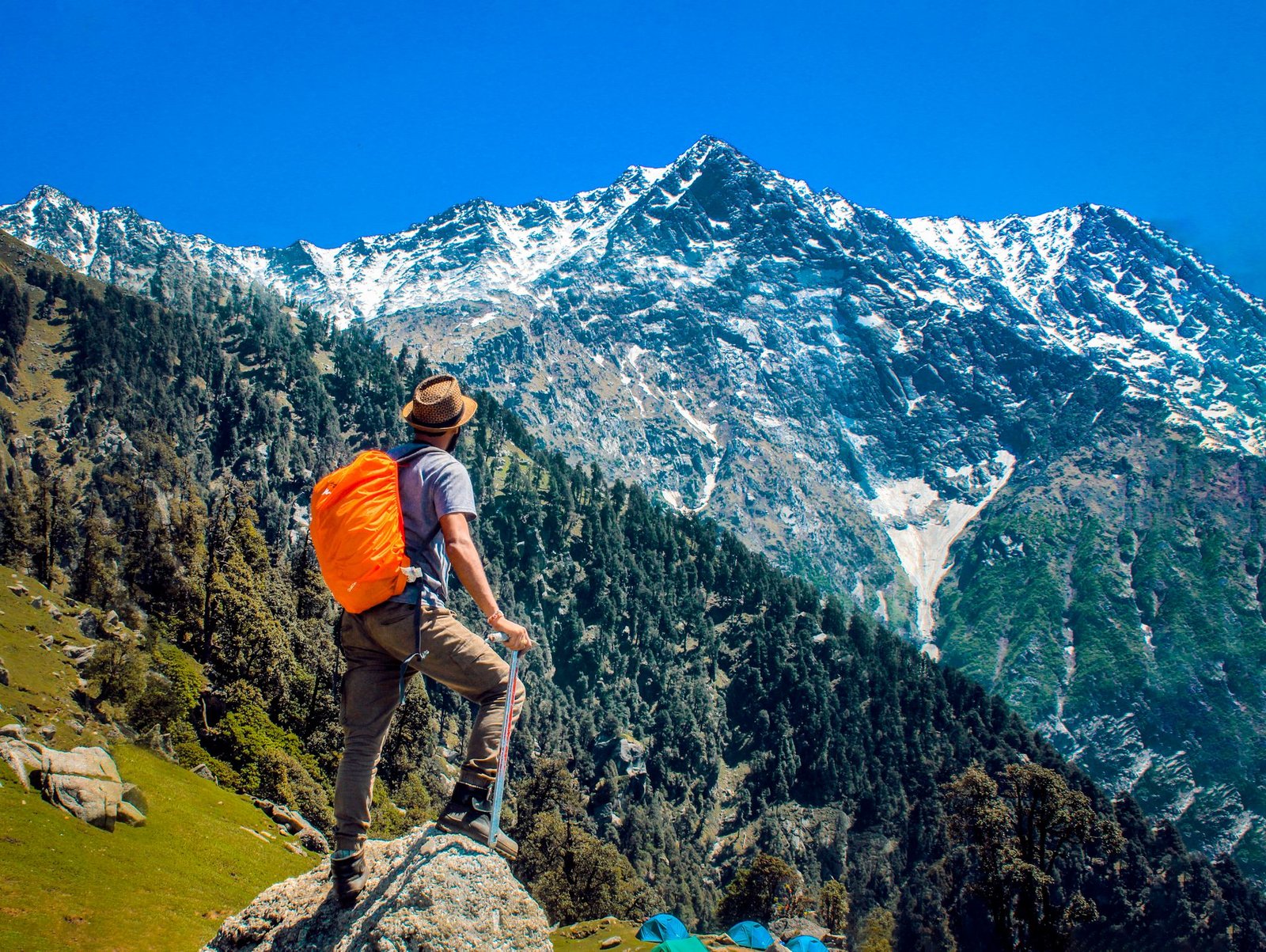
Travel isn’t escaping life. It can be a way to discover new experiences, different cultures, personal freedom, and a version of life that feels right for you.
There is One Question Almost Every Frequent Traveler Hears at Some Point.
“What are you running away from?”
Usually, it comes from friends, relatives, coworkers, or even strangers online. Some ask with genuine curiosity. Others respond with disbelief, as if choosing to explore the world instead of following a traditional path must mean something has gone wrong.
For years, travelers have heard the same questions:
“Don’t you want to settle down?”
“When are you going to get a real job?”
“Isn’t traveling all the time exhausting?”
And perhaps the most familiar one:
“You’ll eventually have to come back to reality.”
But here’s the truth: travel isn’t escaping life. It can be a way of discovering the kind of life you actually want to live.
The World Has a Script
From the time we’re young, we’re often handed a roadmap.
Study hard.
Graduate.
Find a stable job.
Work Monday through Friday.
Buy a house.
Take two weeks of vacation each year.
Retire decades later and finally start enjoying life.
For many people, this path brings happiness, stability, and fulfillment—and that’s perfectly okay.
However, happiness isn’t one-size-fits-all.
Some people dream of climbing mountains in Nepal. Others imagine walking through the streets of Kyoto before sunrise. Meanwhile, someone else may want to spend a month working remotely from Portugal or learning to cook traditional dishes in Italy.
These dreams aren’t distractions. Instead, they can become meaningful parts of the life people genuinely want to build.
Travel Doesn’t Mean You’re Lost
One of the biggest misconceptions about long-term travelers is that they’re trying to escape responsibility.
In reality, many travelers plan their lives more carefully than ever before.
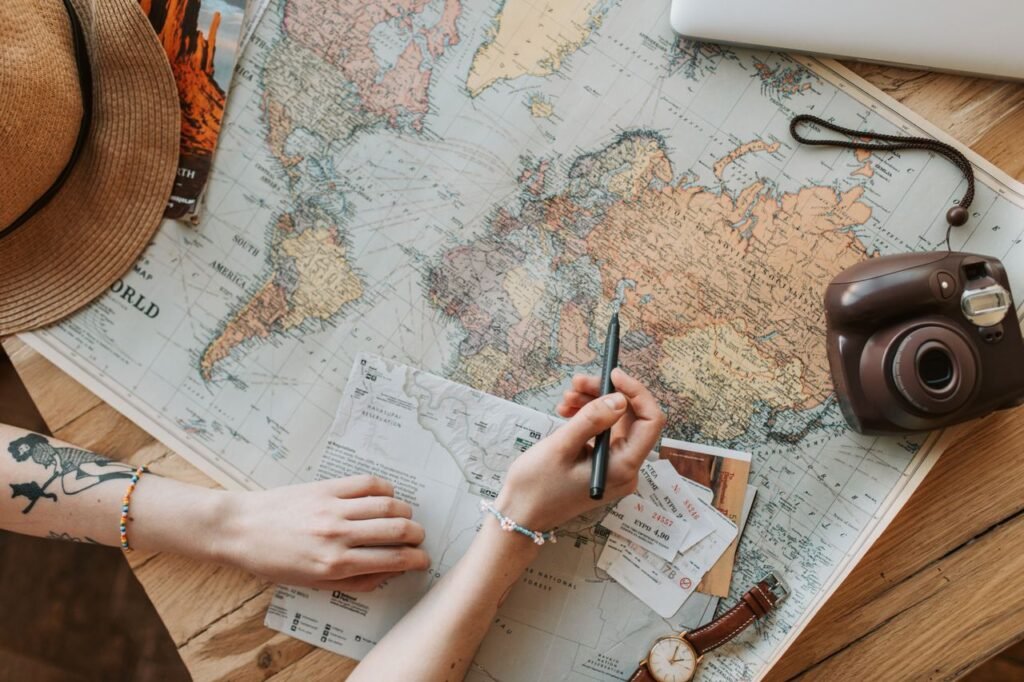
They budget their expenses, research visas, compare flights, arrange accommodation, and prepare for unfamiliar situations. In addition, travelers often learn new languages, manage remote work, and adapt to cultures that are very different from their own.
Travel therefore teaches responsibility rather than avoiding it.
Every delayed flight, missed train, language barrier, or unexpected challenge becomes another opportunity to develop resilience. Over time, those experiences can build confidence and independence that are difficult to gain by staying inside familiar routines.
A Travel Lifestyle Can Change How You See Life
For some people, a travel lifestyle doesn’t mean constantly moving from one country to another.
Instead, it can simply mean creating more space for exploration, curiosity, and meaningful experiences.
Modern society often measures success by what we own.
A bigger house.
A newer car.
More expensive furniture.
Yet many travelers eventually begin measuring success differently.
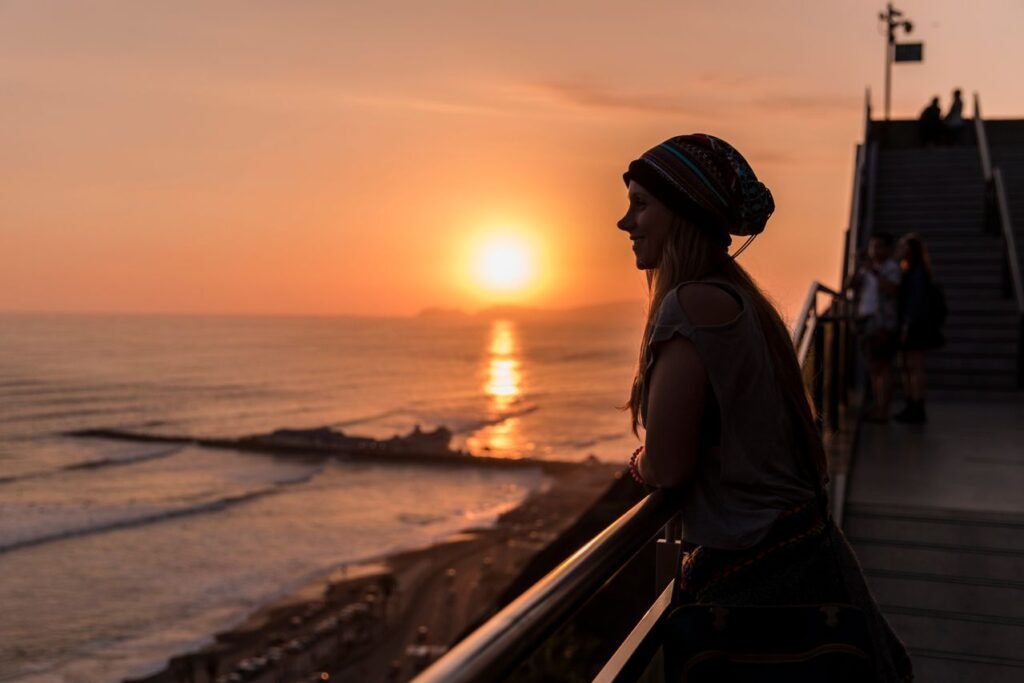
They may remember the sunset they watched from a place they once knew only from photographs. They may remember a lifelong friendship that began in a hostel, a café, or on a hiking trail.
Most importantly, they remember the cultures and experiences that changed the way they see the world.
Unlike material possessions, these experiences don’t gather dust. Instead, they become part of who we are.
The Freedom to Choose
Freedom doesn’t always mean quitting your job and buying a one-way ticket.
Sometimes, freedom simply means having the courage to choose your own priorities.
For example, you might save every month for one unforgettable trip each year. Alternatively, you might become a digital nomad, take regular weekend trips, or spend your free time exploring your own country.
There isn’t one correct way to travel.
What matters is finding an approach that fits your circumstances, interests, and goals.
For one person, that could mean luxury travel. For another, it could mean backpacking on a limited budget. Someone else may simply want to take a road trip with family and discover places close to home.
Ultimately, travel is personal.
Every Destination Changes You
One of the most beautiful things about travel is that every destination can leave something behind.
It might be a conversation with a local shop owner.
Perhaps it’s a meal you’ve never tasted before.
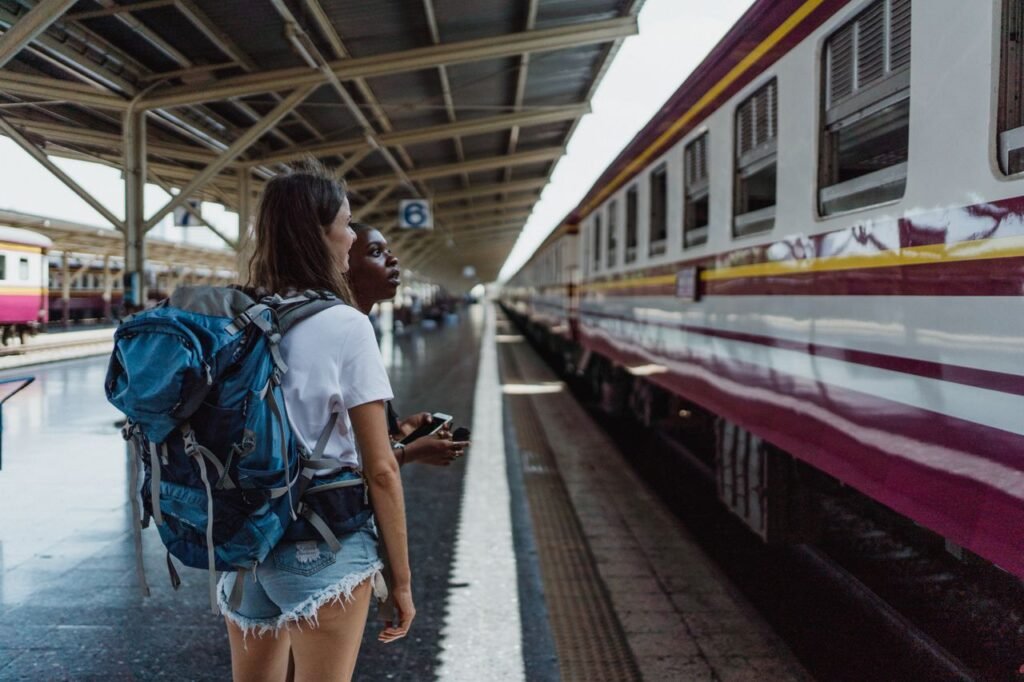
It could be a sunrise over ancient ruins or a train ride through mountains you’ve only seen in documentaries.
At first, these moments may seem small. Over time, however, they can quietly reshape your perspective.
You become more patient.
You become more curious.
You begin to understand people whose lives are very different from your own.
As a result, you may return home with a broader understanding of how wonderfully diverse the world really is.
Why Some People Don’t Understand
Not everyone will understand why someone chooses experiences over routines.
And that’s okay.
People naturally compare your decisions with the life they’ve built themselves. Consequently, what feels risky to one person may feel exciting to another.
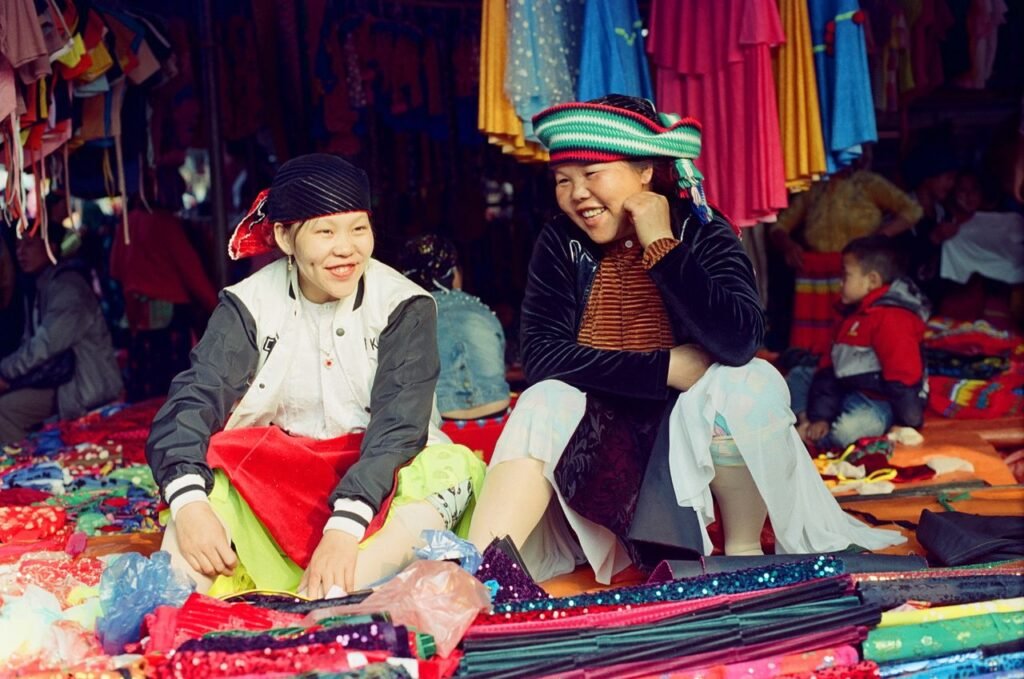
Similarly, what seems unconventional in one place may be completely normal somewhere else in the world.
Travel teaches an important lesson: there isn’t just one correct way to live.
There are millions of possibilities.
The important thing is to understand what matters to you and have the courage to make choices that reflect it.
The Greatest Investment You’ll Ever Make
Flights become memories.
Hotels become stories.
Train tickets become adventures.
More importantly, every journey can teach something that is difficult to learn from behind a desk.
Confidence.
Adaptability.
Empathy.
Patience.
Curiosity.
These qualities can become some of the most valuable returns from traveling.
Unlike things we buy, meaningful travel experiences can continue influencing the way we think long after the journey has ended.
In that sense, travel can become an investment in yourself.
Travel Is Moving Toward Life
If someone tells you that traveling means you’re running away, they may simply be looking at it from a different perspective.
Travel isn’t escaping life—it is moving toward experiences that make life richer.
It isn’t about running away from responsibility. It isn’t about escaping every problem. And it certainly isn’t about avoiding real life.
Instead, travel can mean moving toward people you’ll never forget, places that inspire you, and stories you’ll tell for decades.
It can also mean discovering a version of yourself you haven’t met yet.
The world is far too beautiful to remain only a picture on your screen.
Whether your next journey takes you across the ocean or just a few hours from home, let curiosity lead the way.
After all, the places we visit may eventually become memories. However, the person we become along the journey stays with us forever.
Final Thought
Travel doesn’t have to mean leaving everything behind.
Sometimes, it simply means making room for something new.
A new place.
A new perspective.
A new friendship.
A new experience.
And perhaps, a new understanding of yourself.
Because travel isn’t escaping life. It’s choosing to experience more of it.